
Understanding how gating works is essential if you want to scale selling on Amazon without wasting time analysing products you can't actually list.
This guide explains what gating is, what "ungated" means and why Amazon restricts products.
What is Gating on Amazon?
Gating is Amazon's approval system that restricts who can sell certain products, brands, or categories.
When a product is gated, Amazon requires you to request approval before listing, often asking for additional documentation such as supplier invoices, essentially your proof of purchase.
Gating applies at different levels:
- Category-level gating
- Brand-level gating
- Product (ASIN)-level gating
A seller may be approved in one category but still restricted from selling specific brands or individual products within it.
What Does "Ungated" Mean on Amazon?
Being ungated means Amazon has approved your account to sell products in a previously restricted category, brand, or ASIN without further approval steps.
Once ungated, you can list and sell products in that scope like any other open listing. Many sellers actively pursue ungating because gated areas often have fewer sellers, stronger pricing, and higher demand.
Common Gated Categories on Amazon
While restrictions change over time, some categories are commonly gated, especially for newer seller accounts.
These often include:
- Grocery & Gourmet Foods
- Beauty & Personal Care
- Baby Products
- Toys & Games (especially during Q4)
- Automotive & Powersports
- Fine Jewellery and Watches
- Collectibles and media-related products
- Alcohol-related products (such as wine)
Why Does Amazon Gate Products?
Like any business or brand, Amazon wants to protect and avoid damaging its reputation.
Amazon allows third-party sellers to list products on its marketplace, but to protect customers and brands, it applies restrictions designed to reduce counterfeits and legal risk.
For example, Amazon introduced stricter gating measures after major brands raised serious concerns about counterfeit products being sold by third-party sellers.
Around 2016–2017, brands such as Nike publicly highlighted widespread counterfeit issues on the platform. In response, Amazon tightened controls through brand and category gating, invoice verification and approval requirements.
Gating helps Amazon:
- Reduce counterfeit and low-quality products
- Protect brands and intellectual property
- Maintain customer trust
- Limit inexperienced sellers in sensitive categories
While this protects the marketplace, it can slow down new sellers who don't understand how the system works.
Who Does Gating Affect?
Gating most commonly affects:
- New Amazon seller accounts
- Sellers entering restricted categories
- Online and retail arbitrage sellers sourcing branded products
- Sellers without valid supplier invoices
Even experienced sellers can encounter gated products when expanding into new categories or brands.
Why Sellers Choose to Get Ungated
Many sellers initially avoid gated products, but ungating can unlock real advantages:
- Less competition compared to open categories
- Higher margins on popular branded products
- Access to high-demand inventory unavailable to most sellers
For sellers looking to scale beyond entry-level arbitrage, ungating is often a natural next step.
Account Health Requirements for Amazon Ungating
Ungating is not just about invoices. Amazon also evaluates how trustworthy you are as a seller.
Strong account health significantly improves your chances of approval.
Key metrics Amazon cares about include:
Order Defect Rate (ODR)
Your ODR should generally be below 1%.
ODR includes:
- Negative feedback
- A-to-Z guarantee claims
- Chargebacks
A high ODR signals poor customer experience, which makes Amazon far less likely to approve ungating requests.
Customer Service Performance
Amazon expects:
- Fast responses to buyer messages
- Clear, professional communication
- Prompt resolution of issues
Consistent customer service shows Amazon you can be trusted with sensitive categories and brands.
Returns and Refunds
High return rates or unresolved refund issues can work against you. Amazon prefers sellers who:
- Accurately represent products
- Handle returns efficiently
- Resolve problems without escalation
Feedback and Reviews
Low feedback scores or unresolved complaints indicate higher risk. Maintaining positive feedback helps demonstrate seller reliability.
In short, Amazon is far more likely to ungate sellers who keep customers happy.
How to Get Ungated on Amazon
1) Request Approval Directly
Some products allow instant or near-instant approval. You can request approval directly inside Seller Central, and Amazon may approve you automatically based on your account history.
In many cases, ungating requests can also be submitted during sourcing. If no documentation is required, approval may be granted immediately.
2) Provide Valid Invoices
For many brands and categories, Amazon requires:
- A valid invoice from an approved supplier
- Matching business details
- Product information that matches the ASIN
This is the most common ungating method and the biggest hurdle for beginners.
Important invoice notes:
- Retail receipts usually do not qualify
- Invoices must clearly show quantities and dates
- Business name and address must match Seller Central
- Invoices are often required to be recent
3) Build Account History
Over time, Amazon may relax restrictions as your account demonstrates:
- Good performance metrics
- Low returns and complaints
- Consistent selling activity
This is a passive but important long-term strategy.
Common Reasons Ungating Requests Get Rejected
Many ungating applications fail for avoidable reasons. Common rejection causes include:
- Invoice not from an authorised supplier
- Retail store receipts instead of wholesale invoices
- Business name or address mismatch
- Invoice too old
- Applying with poor account health or high ODR
- Blurry, cropped, or edited documents
- Attempting ungating too early with no sales history
Understanding these pitfalls saves time and prevents repeated rejections.
What Amazon Looks For When Reviewing an Ungating Request
Amazon treats ungating as a risk assessment, not a checklist.
They evaluate:
- Your selling history and performance metrics
- Customer experience risk
- Brand and counterfeit risk
- Supply chain legitimacy
The stronger your track record, the more likely approval becomes.
What To Do If Your Ungating Request Is Denied
A rejection does not mean you are permanently blocked. In practice, ungating decisions are often inconsistent and many sellers are approved after submitting the same application more than once.
If denied:
- Review the rejection reason carefully
- Fix any obvious issues with invoices, documents, or account metrics
- Reapply once changes are made, or resubmit even if nothing material has changed, as different reviews can lead to different outcomes
- Do not assume a single rejection is final, as persistence is often part of the process
Finding Products That Aren't Gated
Many sellers choose not to fight gating early on and instead focus on products they can already sell.
This approach involves:
- Avoiding restricted categories
- Filtering out gated brands and ASINs
- Prioritising listings with open approval
This allows beginners to focus on execution, cash flow, and learning the platform without unnecessary frustration. For strategies on finding products for online arbitrage that aren't gated, see our comprehensive sourcing guide.
How ArbiSource Helps With Gating and Restrictions
ArbiSource is built to reduce wasted time on restricted products during sourcing.
Automatic Restriction Checks
When running scans, ArbiSource automatically checks selling restrictions so you know upfront whether a product is gated.
One-Click Ungating Requests
If a product is gated, ArbiSource allows you to request approval immediately.
- In some cases, approval is automatic
- In others, Amazon will request an invoice
Filter Out Restricted Products
You can exclude all restricted products entirely and focus only on listings you can act on right now.
Better Sourcing Decisions
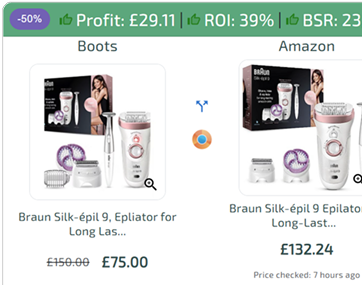
By combining profitability data with restriction status, you avoid false positives where a product looks profitable but isn't sellable.
Beginner Strategy For Dealing With Gating
A simple approach many sellers use:
- Start by filtering to ungated products only
- Build sales history and account trust
- Test ungating on selected high-margin products
- Expand into gated categories gradually
This keeps sourcing momentum high while opening paths to growth.
Do Amazon Ungating Services Work?
Some sellers use third-party ungating services to handle applications and paperwork. These services can be expensive and results vary.
Many approvals can be achieved directly through Seller Central or during sourcing without external help. For most sellers, understanding gating properly and acting on the right opportunities is more effective than paying for ungating services.
Source Deals Like A Pro
7 Day Free Trial
FAQs
Is it hard to get ungated on Amazon?
It depends on the category or brand. Some approvals are instant, while others require invoices and patience.
Do I need invoices to get ungated?
Often yes, especially for branded products.Order Defect Rate (ODR) Some categories allow approval without invoices.
Should beginners avoid gated products?
Many do at first. Filtering to ungated products helps new sellers focus on execution and learning.
Can software help with gating?
Yes. Tools that show restrictions during sourcing help sellers avoid wasted time and act faster when approval is possible.